
Understanding Animism: Beliefs, Practices, Spirits, Nature, and Global Influence
Animism is not one single organized religion but a broad religious worldview found in many cultures. It understands the world as alive with spiritual presence, where humans, animals, plants, ancestors, places, and natural forces may be connected through relationship, respect, ritual, and responsibility.
What Is Animism?
Animism is a broad religious worldview in which spiritual presence, life, agency, or sacred power is associated with the world around us. This may include animals, plants, rivers, mountains, forests, stones, ancestors, dreams, weather, sacred places, and unseen spirits.
Unlike Christianity, Islam, Buddhism, or Hinduism, animism is not usually one centralized religion with a single founder, one universal scripture, or one global institution. Instead, it appears in many local, Indigenous, tribal, traditional, and folk religious settings. Because of this, animism should be described carefully and respectfully, without assuming that all animistic cultures believe exactly the same things.
This article is written as a neutral educational overview. It is designed to help readers understand animism as a broad religious worldview while avoiding stereotypes about Indigenous, local, and traditional communities.
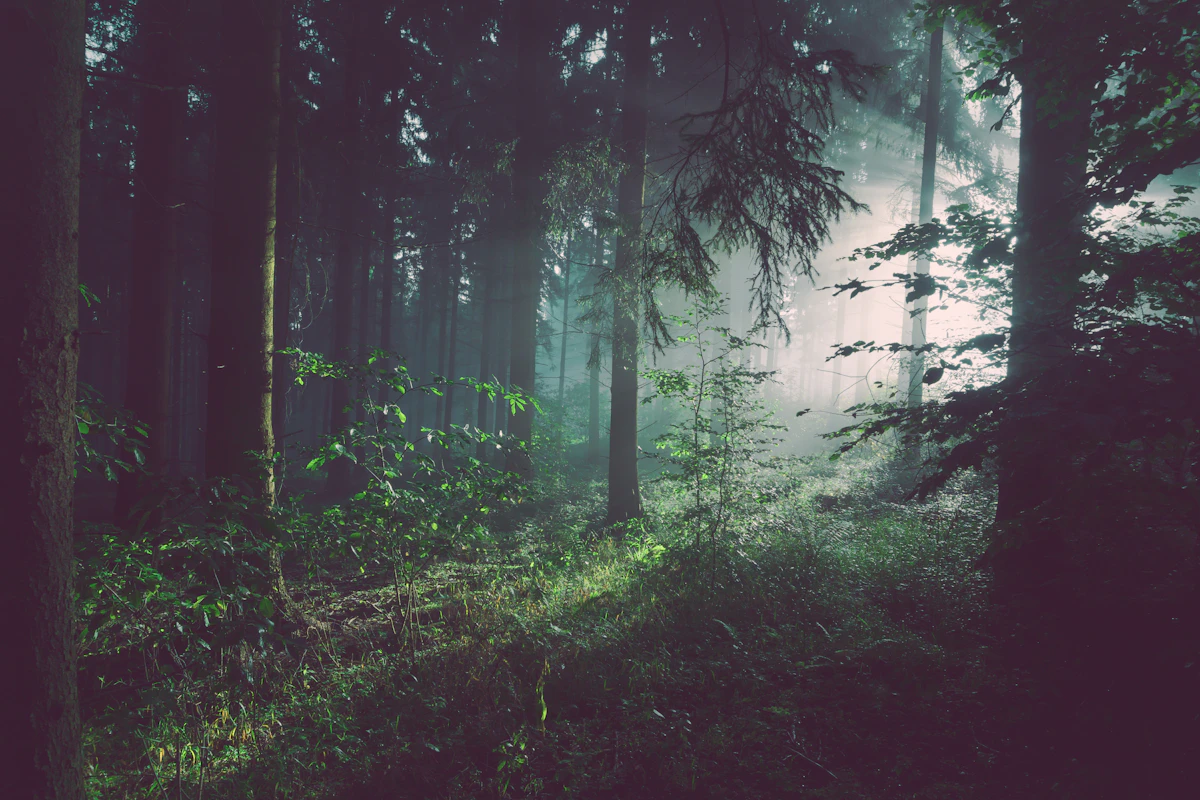
Animistic worldviews often understand the natural world as spiritually meaningful, alive, relational, and worthy of respect.
Quick Facts About Animism
These quick facts provide a simple starting point for understanding animism as a broad religious worldview.
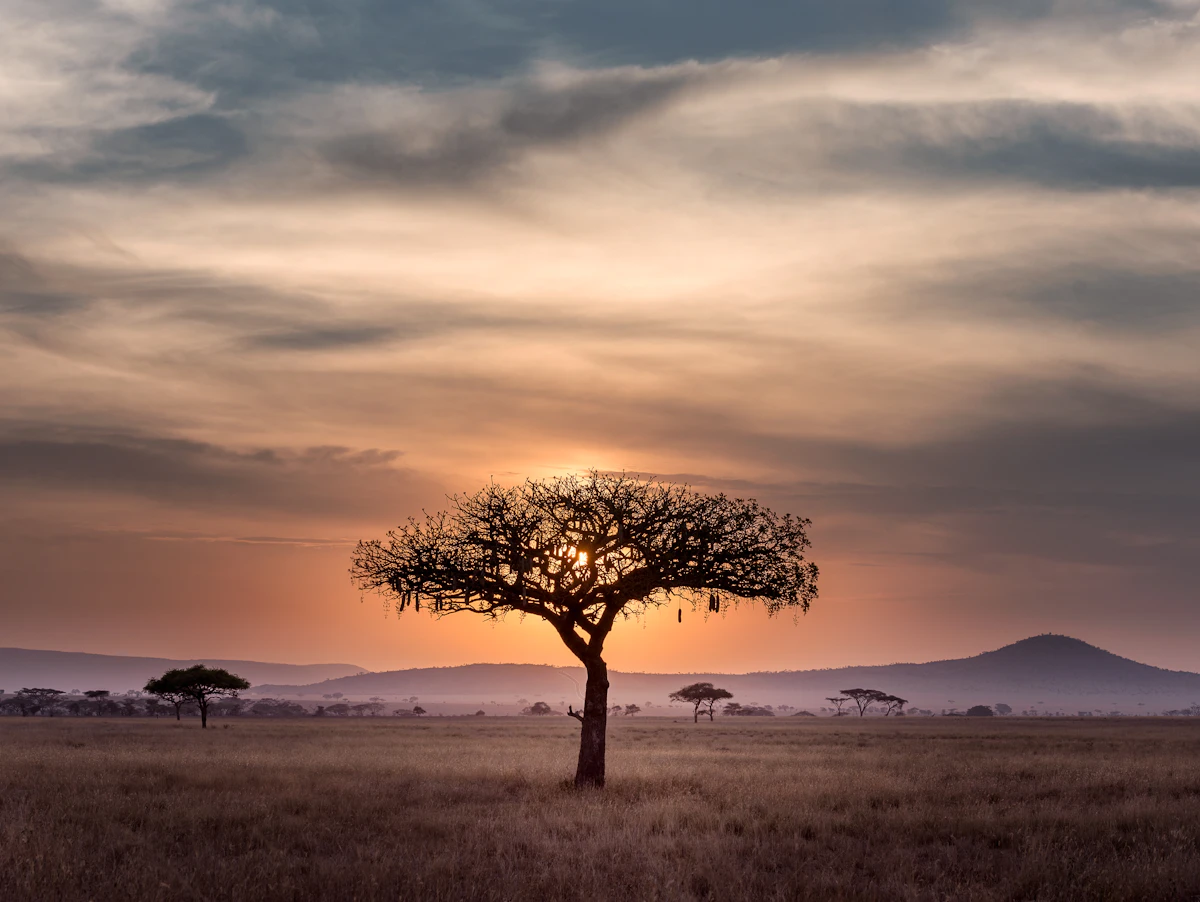
Animistic worldviews are often connected with oral tradition, land, community memory, ritual practice, and local sacred knowledge.
History and Origins of Animism
Animism does not have a single historical origin. It is a scholarly term used to describe patterns found in many traditional religious worlds, especially where humans understand themselves as living in relationship with spirits, ancestors, animals, plants, places, and natural forces.
The word “animism” became widely used in the study of religion through the work of nineteenth-century anthropologist Edward Burnett Tylor. Early scholarship often described animism as a primitive stage of religion, but many scholars today reject that dismissive framing. Animistic traditions are better understood as complex worldviews with their own rituals, ethics, stories, practices, and ways of relating to the world.
Animistic beliefs are found across many regions, including parts of Africa, Asia, Oceania, the Americas, the Arctic, and Indigenous communities around the world. Animistic elements can also exist alongside Buddhism, Hinduism, Christianity, Islam, Shinto, Taoism, and other religious traditions.
Core Beliefs and Ideas in Animism
Because animism appears in many different cultures, there is no single creed that all animistic traditions share. Still, several themes appear frequently in animistic worldviews.
A Living World
Many animistic worldviews understand the world as alive with spiritual presence. Animals, plants, rivers, mountains, forests, winds, and places may be understood as active participants in reality rather than lifeless objects.
Spirits and Sacred Powers
Animistic traditions often include spirits or sacred powers associated with ancestors, land, animals, natural forces, dreams, homes, villages, or specific places.
Human Relationship with Nature
Humans are often understood as part of a larger web of relationships. Nature is not merely a resource but a community of beings, powers, or presences that must be approached with respect.
Ancestors
Many animistic traditions honor ancestors as continuing members of the community. Ancestors may guide, protect, warn, bless, or require proper remembrance and respect.
Ritual Balance
Rituals may seek healing, blessing, protection, restored harmony, successful hunting, good harvests, safe travel, or right relationship with spirits and places.
Local Sacred Knowledge
Animistic traditions are often deeply local. Sacred stories, taboos, rituals, and responsibilities may be tied to particular rivers, forests, mountains, animals, clans, or territories.
A helpful way to understand animism is to see it as a worldview of relationship. The world is not treated as spiritually empty matter, but as a living network of beings, powers, obligations, memories, and sacred presences.
Animist Practices and Traditions
Animistic practice varies widely from culture to culture. It may include offerings, prayers, songs, dances, dreams, divination, healing rituals, initiation ceremonies, seasonal festivals, ancestor remembrance, taboos, sacred stories, and rituals connected with hunting, planting, birth, death, and community protection.
In some communities, ritual specialists such as shamans, healers, elders, diviners, or spiritual mediators help interpret dreams, communicate with spirits, restore balance, heal illness, or guide the community in times of crisis.
Common Animist Practices
- Offering food, drink, incense, or symbolic gifts
- Honoring ancestors and local spirits
- Respecting sacred places such as mountains, rivers, forests, or stones
- Seasonal rituals connected with harvest, rain, hunting, or fertility
- Healing ceremonies and spiritual mediation
- Storytelling, songs, dances, and oral traditions
- Taboos and customs that protect balance with the natural world

In many traditional communities, music, dance, story, ritual, and land are deeply connected to spiritual life.

Animistic traditions often connect spiritual life with particular landscapes, ecosystems, animals, forests, rivers, and ancestral places.
Sacred Nature and the Living World
Animism is often associated with the idea that the natural world is spiritually alive. This does not mean every tradition explains nature in the same way. Some communities may speak of spirits in animals or trees; others may focus on sacred places, ancestral land, spiritual forces, or relationships with nonhuman beings.
For many animistic traditions, land is not simply property. It can be a sacred inheritance, a source of identity, a dwelling place of spirits, a gift from ancestors, and a responsibility entrusted to the community. Rivers, mountains, forests, animals, and weather may carry meaning, power, memory, and obligation.
Animism is often misunderstood as “worshiping trees” or “worshiping nature.” A better description is that many animistic worldviews see humans as living in moral and spiritual relationship with a world that is alive, sacred, and responsive.
Spirits, Ancestors, and Sacred Relationships
Many animistic traditions include relationships with spirits and ancestors. These relationships may involve gratitude, fear, respect, ritual obligation, protection, guidance, or negotiation. Spirits are not always understood as “gods” in the same sense as deities in major world religions; they may be local, relational, ancestral, ecological, or tied to particular places.
Ancestor Spirits
Ancestors may be honored as continuing members of the community. Ritual remembrance can maintain bonds between the living and the dead.
Place Spirits
Certain locations may be understood as spiritually charged or inhabited by sacred powers. These places may require respect, offerings, or careful behavior.
Animal Powers
Animals may be treated as relatives, messengers, helpers, guardians, food-givers, or beings with spiritual agency and importance.
Dreams and Visions
Dreams, visions, and unusual experiences may be interpreted as meaningful encounters with spirits, ancestors, or hidden dimensions of reality.
Healing and Protection
Ritual specialists may help restore balance, protect the community, diagnose spiritual causes of illness, or mediate relationships with unseen powers.
Reciprocity
Many animistic practices are built on reciprocity: humans receive life from the world and must respond with gratitude, restraint, offerings, and respect.
Important Note
Animism should not be treated as simple, primitive, or less developed. Many animistic worldviews contain complex ethics, environmental knowledge, ritual systems, social structures, oral histories, and philosophical insights about human relationships with the living world.
Animism and Other Religions
Animistic elements often appear alongside other religious traditions. In some cultures, animism blends with Buddhism, Hinduism, Christianity, Islam, Shinto, Taoism, or local folk religion. This can happen through ancestor practices, spirit beliefs, shrine traditions, sacred landscapes, healing rituals, or festival customs.
Animism is also related to, but not identical with, shamanism, ancestor veneration, nature reverence, polytheism, and Indigenous religion. These categories can overlap, but each culture must be understood on its own terms.

Sacred trees, mountains, rivers, stones, and forests can carry spiritual significance in many animistic and Indigenous worldviews.
Animism Around the World
Animistic worldviews are found in many regions and cultures. They may be present among Indigenous communities in the Americas, Africa, Asia, Oceania, the Arctic, and other regions. They also appear in local and folk practices that continue alongside major world religions.
Because animism is not one single religion, it is important to avoid speaking as though all animists share one doctrine or one practice. A forest-centered Indigenous worldview, an ancestor-honoring village tradition, a Siberian shamanic practice, and a local spirit tradition in Southeast Asia may all be described as animistic in some way, but they remain distinct.
Animism’s global influence can be seen in modern conversations about ecology, sacred land, Indigenous rights, environmental ethics, kinship with the natural world, and the limits of treating nature as merely a resource.
Frequently Asked Questions About Animism
What is animism?
Animism is a broad religious worldview in which the world is understood as alive with spiritual presence, agency, or sacred power. It may involve spirits, ancestors, animals, plants, places, and natural forces.
Is animism one religion?
No. Animism is not one centralized religion. It is a category used to describe many local, Indigenous, traditional, and folk worldviews that understand the world as spiritually alive.
Do animists worship nature?
Animism is often connected to reverence for nature, but it is broader than “nature worship.” It usually involves relationships with spirits, ancestors, places, animals, plants, and sacred powers.
Where is animism practiced?
Animistic beliefs and practices are found in many regions, especially among Indigenous, traditional, tribal, and local religious communities. Animistic elements may also appear within major world religions.
Is animism the same as shamanism?
No, though they can overlap. Shamanism often involves ritual specialists who mediate with spirits, while animism is a broader worldview about spiritual agency in the world.
Does animism have sacred texts?
Many animistic traditions are preserved through oral stories, rituals, songs, memory, elders, and sacred places rather than through one central written scripture.
Helpful External Resources on Animism
These educational resources can help readers continue learning about animism, anthropology of religion, Indigenous worldviews, shamanism, and sacred relationships with nature.
Britannica: Animism
A broad encyclopedia overview of animism, including its definition, history as a scholarly term, and religious meaning.
OpenStax Anthropology: Religion and Animism
An accessible anthropology resource discussing animism as a worldview involving spiritual agency in the world.
Cambridge Encyclopedia of Anthropology: Animism
A deeper academic resource explaining the history, critique, and contemporary study of animism.
Britannica: Shamanism
A helpful resource for understanding ritual specialists, spirit mediation, and overlapping themes with animistic traditions.
Continue Learning About World Religions
Test Every Faith is built to help readers explore major religions, sacred texts, truth claims, and belief systems with clarity, honesty, and respectful comparison.
Browse All Religions