Understanding Native American Religions: Beliefs, Ceremonies, Sacred Land, and Living Traditions
Native American Religions are not one single religion. They are many Indigenous spiritual traditions connected to specific peoples, lands, languages, stories, ceremonies, ancestors, animals, plants, and sacred responsibilities. This educational guide explains major themes while respecting the diversity of Native nations and communities.
What Are Native American Religions?
Native American Religions are the diverse Indigenous religious traditions of Native peoples across North America. They are not one centralized religion with one founder, one scripture, or one universal creed. Instead, they include many distinct traditions rooted in particular nations, lands, languages, histories, ceremonies, and community responsibilities.
These traditions may involve reverence for the Creator or Great Spirit, sacred stories, ceremonies, ancestors, spirits, animals, plants, mountains, rivers, directions, seasons, dreams, visions, and the moral responsibilities that connect human beings to the living world.
This article is written as a respectful educational overview. Native American religious traditions should be studied carefully, without treating all tribes as the same or reducing sacred practices to stereotypes.
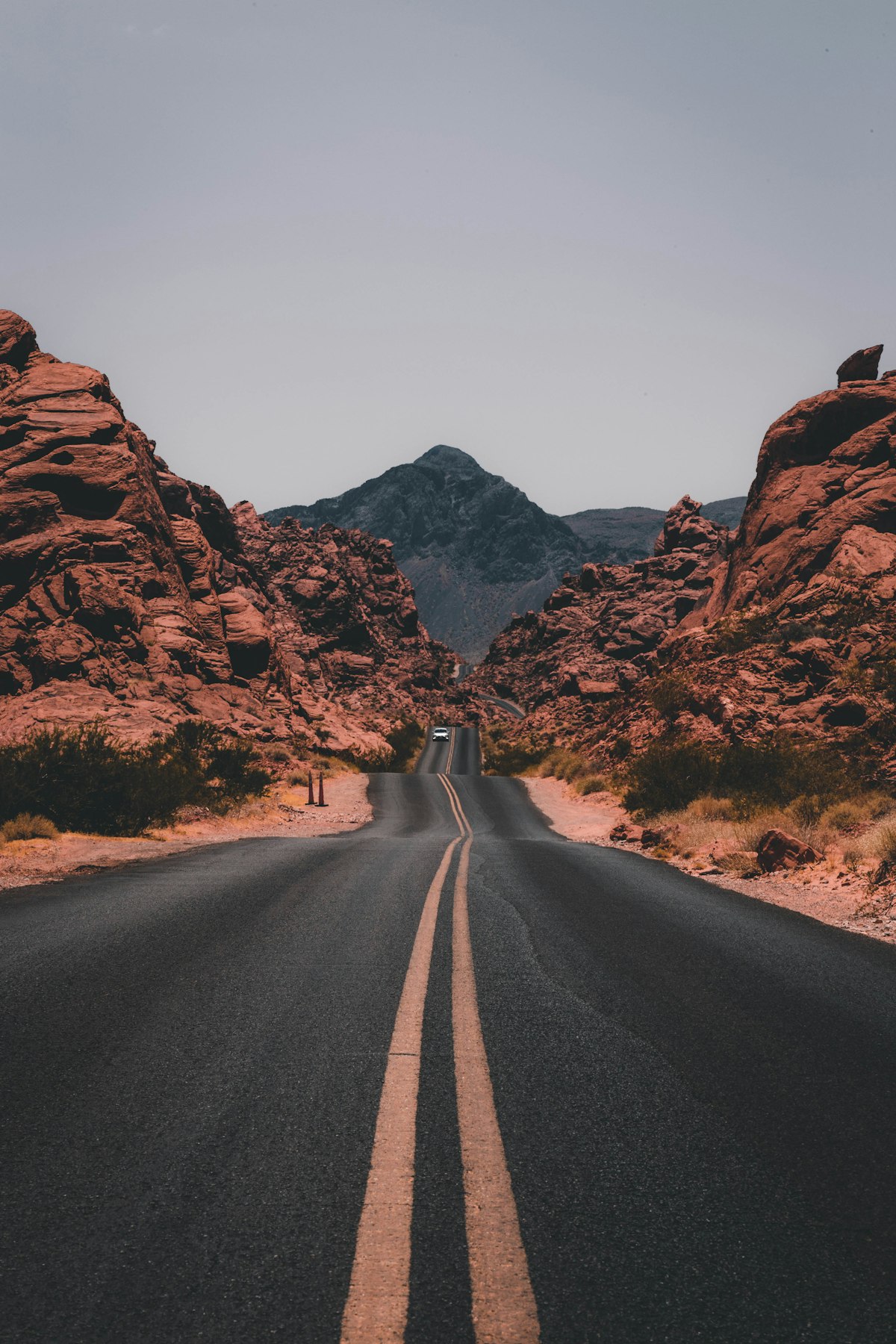
Many Native American religious traditions are deeply connected to land, place, memory, story, and responsibility.
Quick Facts About Native American Religions
These quick facts help readers begin with the right framework.
Interactive Learning Path
Click each card to reveal a short explanation.
1. Diversity
There is no single Native American religion.
2. Sacred Land
Place often carries spiritual meaning.
3. Ceremony
Spiritual life is often practiced ritually.
4. Relationship
Humans live within a larger web of life.

Native American religions developed in relation to specific homelands, ecosystems, languages, stories, and communities.
History and Context
Native American religious traditions developed over thousands of years among many Indigenous peoples across North America. These traditions are tied to specific nations, territories, seasonal patterns, oral histories, family systems, ceremonies, and sacred places.
European colonization, forced removal, boarding schools, land seizure, missionization, and legal suppression deeply disrupted Native religious life. In many cases, ceremonies were restricted or misunderstood. Despite this, Native communities preserved, adapted, and revitalized their traditions.
Today, Native American religious traditions continue through ceremonies, language revitalization, sacred site protection, family practices, intergenerational teaching, community gatherings, and renewed cultural education.
Common Themes and Beliefs
Because Native American religions are diverse, there is no single belief system shared by all tribes. Still, several themes appear across many traditions, though always in locally specific ways.
The Creator or Great Spirit
Many traditions speak of a Creator, Great Spirit, or supreme sacred power. Names, descriptions, and theological meanings vary widely between Native communities.
Sacred Stories
Creation stories, origin stories, trickster stories, migration stories, and ceremonial narratives teach identity, morality, wisdom, and relationship with the world.
Ancestors and Memory
Ancestors may be honored through memory, ceremony, family responsibility, burial customs, land connections, and the passing down of stories and names.
Animals and Plants
Animals and plants may be understood as relatives, teachers, helpers, food-givers, medicine, or beings with sacred importance.
Balance and Harmony
Many traditions emphasize living in right relationship with the Creator, community, land, ancestors, animals, plants, and spiritual powers.
Vision and Calling
Dreams, visions, fasting, prayer, and spiritual experiences may guide identity, responsibility, healing, or life direction in some traditions.
A helpful way to understand Native American Religions is to see them as traditions of sacred relationship: relationship with land, people, ancestors, Creator, ceremony, story, and the living world.
Ceremonies, Rituals, and Community Life
Native American religious practices vary widely between nations and communities. Some practices are public, while others are private, restricted, or not meant to be described in detail outside the community.
Ceremonial life may include prayer, songs, dances, drums, fasting, sweat lodges, vision quests, healing rites, seasonal ceremonies, naming ceremonies, memorial practices, sacred bundles, medicine traditions, and gatherings connected to community renewal.
Examples of Religious Practices
- Prayer, song, drumming, and dance
- Sweat lodge ceremonies in some traditions
- Fasting, vision seeking, or spiritual preparation
- Healing ceremonies and medicine traditions
- Seasonal ceremonies connected to harvest, animals, or renewal
- Storytelling and oral teaching from elders
- Protection of sacred sites, burial grounds, and ancestral places

Ceremony, prayer, song, story, and sacred place often shape Native religious life in community-specific ways.
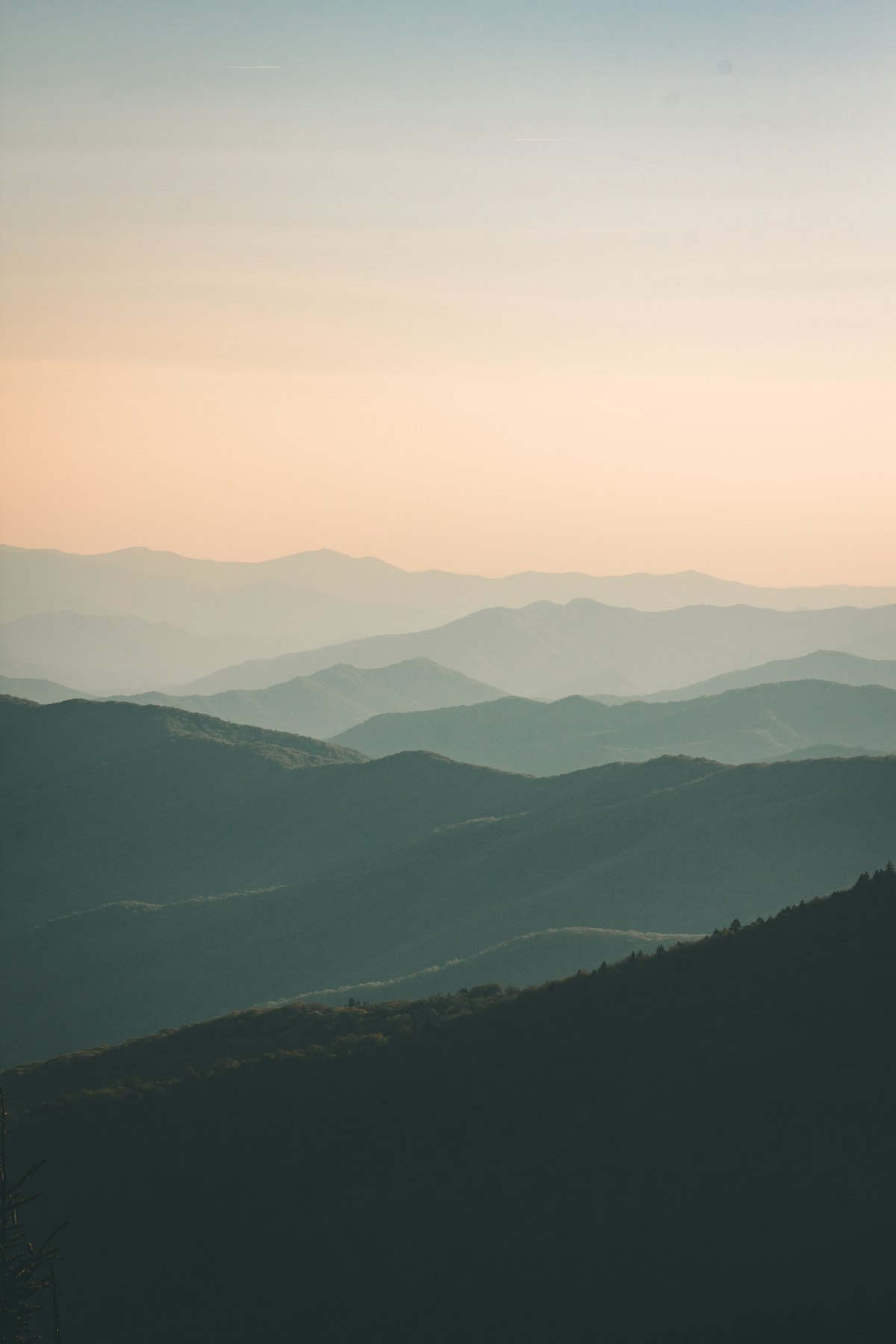
Land is often sacred because it is tied to creation, identity, ancestors, ceremonies, animals, plants, and responsibility.
Sacred Land and Place
Land is central to many Native American religious traditions. Sacred places may include mountains, rivers, springs, caves, forests, plains, burial grounds, rock formations, ancestral villages, and ceremonial sites.
These places are not simply scenic or symbolic. They may be connected to creation stories, ceremonies, medicine, ancestors, tribal identity, spiritual beings, moral responsibilities, and the continuation of the community.
Protecting sacred sites is not merely environmental activism. For many Native communities, it is a religious freedom issue, a cultural survival issue, and a responsibility to ancestors and future generations.
Oral Tradition, Elders, and Sacred Knowledge
Many Native American religions are preserved through oral tradition rather than one central written scripture. Sacred knowledge may be passed down through elders, family lines, ceremonial leaders, songs, stories, language, dances, names, symbols, and community memory.
Some knowledge is public and educational. Other knowledge is ceremonial, restricted, or shared only within proper relationships. Respectful learning means recognizing that not everything sacred is meant for public explanation.
Elders
Elders often preserve stories, language, ceremony, memory, moral teaching, and practical wisdom for younger generations.
Language
Native languages often carry religious meaning, ceremonial terms, place names, kinship ideas, and ways of understanding reality.
Sacred Stories
Stories may teach creation, identity, humor, warning, humility, gratitude, responsibility, and right relationship with the world.
Songs and Drums
Songs and drums may carry prayer, memory, healing, ceremony, identity, and connection with ancestors and community.
Medicine Traditions
Medicine can include plants, prayer, ceremony, healing knowledge, moral preparation, and relationship with the natural world.
Respectful Boundaries
Some ceremonies and teachings are not meant for public display, entertainment, commercial use, or casual borrowing.
Important Note
Native American religions should not be reduced to “nature worship,” generic spirituality, dreamcatchers, or popular stereotypes. Each Native nation has its own history, authority, ceremonies, and living traditions.
Examples of Native American Religious Diversity
These examples are only a small sample. They are not a complete map of Native religion, and each tradition should be studied through its own community, history, and authorized sources.
Lakota Traditions
Lakota religious life includes teachings connected with Wakan Tanka, sacred pipe traditions, ceremony, kinship, vision, prayer, and relationship with the land.
Navajo / Diné Traditions
Diné traditions include teachings about hózhó, often connected with beauty, balance, harmony, health, ceremony, story, and proper relationship.
Haudenosaunee Traditions
Haudenosaunee religious life includes thanksgiving, ceremonies, clan responsibilities, the Great Law of Peace, agricultural cycles, and community order.
Pueblo Traditions
Pueblo communities have rich ceremonial calendars, sacred places, agricultural rituals, kiva traditions, dances, and community responsibilities.
Pacific Northwest Traditions
Many Northwest Coast traditions include sacred stories, clan identities, ceremonies, masks, songs, feasts, and relationships with land and sea.
Native American Church
The Native American Church is a pan-Indigenous religious movement that includes peyote sacrament, prayer, songs, moral teaching, and community healing.
Native American Religions and Other Faiths
Native American religious traditions have interacted with Christianity, colonial missions, federal policy, boarding schools, pan-Indigenous movements, and contemporary legal struggles for religious freedom.
Some Native people practice traditional ceremonies. Some are Christian. Some participate in both Native and Christian forms of spirituality. Some identify with the Native American Church or other community-specific traditions. Native religious identity is complex and should not be forced into simple categories.

Native religious life today is shaped by memory, resilience, sacred places, community authority, and cultural revitalization.
Modern Issues: Religious Freedom, Sacred Sites, and Cultural Respect
Native American religions continue today, but many communities still face challenges related to sacred site protection, access to ceremonial objects, repatriation of human remains and cultural items, religious freedom, environmental damage, and misunderstanding from outsiders.
Respectful learning means listening to Native voices, avoiding cultural appropriation, not treating sacred objects or ceremonies as costumes or entertainment, and recognizing that Native peoples are contemporary communities, not merely figures from the past.
Sacred Site Protection
Sacred places may need protection from development, mining, tourism, pollution, or restricted access that prevents ceremony.
Repatriation
Many communities seek the return of ancestors’ remains, funerary items, sacred objects, and cultural patrimony from museums and institutions.
Cultural Appropriation
Using sacred Native ceremonies, symbols, clothing, or objects without permission can be harmful and disrespectful.
Mini Quiz: Check Your Understanding
Choose the best answer below.
Frequently Asked Questions About Native American Religions
Are Native American Religions one single religion?
No. They are many distinct Indigenous traditions connected to specific Native nations, languages, lands, ceremonies, and histories.
Do Native American Religions believe in God?
Many traditions speak of the Creator, Great Spirit, or sacred powers, but names and teachings vary widely by community and tradition.
Why is land so important?
Land may be connected with creation stories, ancestors, ceremonies, animals, plants, identity, responsibility, and sacred memory.
Do Native American Religions have scriptures?
Many Native traditions are preserved through oral stories, ceremonies, songs, language, elders, family memory, and sacred places rather than one central written scripture.
Are Native American Religions still practiced today?
Yes. Many Native communities continue religious practices through ceremonies, language revitalization, sacred site protection, songs, stories, and community gatherings.
Can outsiders participate in Native ceremonies?
That depends entirely on the specific community and ceremony. Some events are public, while others are private or restricted. Outsiders should never assume permission or imitate ceremonies without authorization.
Helpful External Resources on Native American Religions
These educational resources can help readers continue learning from more focused and responsible sources.
Smithsonian Native Knowledge 360°
Educational resources created to improve understanding of Native peoples, histories, cultures, and contemporary communities.
Britannica: Native American Religions
A broad encyclopedia overview of Native American religious traditions, ceremonies, sacred beings, and historical context.
National Park Service: NAGPRA
Information about repatriation of Native American human remains, funerary objects, sacred objects, and cultural items.
Library of Congress: Native American Heritage
Educational materials on Native American history, culture, and heritage from U.S. cultural institutions.
Continue Learning About World Religions
Test Every Faith is built to help readers explore major religions, sacred texts, truth claims, and belief systems with clarity, honesty, and respectful comparison.
Browse All Religions