World Religions Overview
Understanding Cao Đài: Beliefs, History, Divine Eye, Practices, and Global Influence
Cao Đài, also called Caodaism, is a Vietnamese syncretic religion that brings together elements from Buddhism, Taoism, Confucianism, Christianity, spiritism, and Vietnamese religious culture. This educational guide explains Cao Đài’s origins, beliefs, symbols, practices, temple life, and global community.
What Is Cao Đài?
Cao Đài is a Vietnamese syncretic religion formally established in southern Vietnam in the early twentieth century. Its full name, Đại Đạo Tam Kỳ Phổ Độ, is often translated as the Great Way of the Third Universal Redemption.
Cao Đài teaches belief in one Supreme Being and seeks to unite religious wisdom from multiple traditions. It includes elements associated with Buddhism, Taoism, Confucianism, Christianity, Vietnamese ancestor practices, and spirit communication. Its famous symbol is the Divine Eye, representing the Supreme Being’s watchful presence.
This page is written as a neutral educational overview. Cao Đài should not be dismissed as a simple mixture of religions; it is a living tradition with scripture, rituals, temples, hierarchy, symbols, and communities.

Cao Đài began in Vietnam and remains deeply connected with Vietnamese religious culture, temple life, and diaspora identity.
Quick Facts About Cao Đài
These quick facts provide a simple starting point for understanding Cao Đài.
Religion TypeVietnamese syncretic religion
Established1926 in southern Vietnam
Major CenterTây Ninh Holy See
Key SymbolThe Divine Eye
Interactive Learning Path
Click each card to reveal a short explanation.
1. Supreme Being
Cao Đài teaches belief in one highest divine reality.
The Supreme Being is often represented by the Divine Eye, a symbol of divine presence, authority, and care over humanity.
2. Unity of Religions
Cao Đài seeks harmony among religious traditions.
Cao Đài draws from Buddhism, Taoism, Confucianism, Christianity, Vietnamese tradition, and spiritist influences.
3. Moral Practice
Ethical living is central to Cao Đài devotion.
Cao Đài encourages prayer, vegetarian discipline, nonviolence, reverence for ancestors, humility, and service.
4. Temple Worship
Ritual life is structured and highly symbolic.
Cao Đài temples use colors, robes, music, prayers, ritual gestures, and sacred symbols to express cosmic order and religious unity.
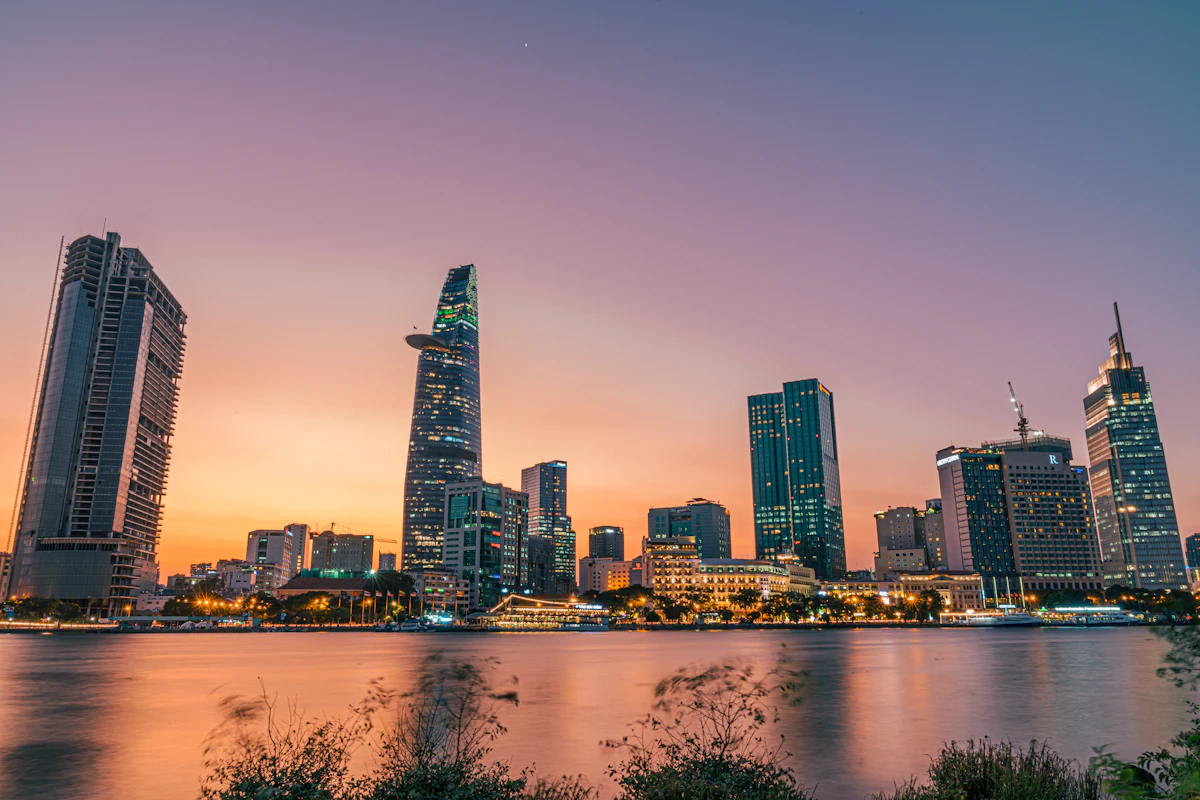
Cao Đài emerged in southern Vietnam during the colonial period and quickly became a distinctive Vietnamese religious movement.
History and Origins of Cao Đài
Cao Đài was formally established in 1926 in southern Vietnam. It arose during a period of colonial pressure, social change, religious experimentation, and growing Vietnamese concern with national identity, spiritual renewal, and global religious ideas.
Early Cao Đài leaders believed that divine messages were received through spirit communication, calling for the establishment of a new religious path that would reconcile and unite earlier traditions. The movement developed institutions, rituals, clergy, temples, scriptures, and a strong visual identity.
The Tây Ninh Holy See became the most famous center of Cao Đài, known for its vivid architecture, Divine Eye imagery, ceremonial worship, and symbolic use of colors associated with different religious traditions.
Core Beliefs and Ideas in Cao Đài
Cao Đài combines monotheistic devotion to the Supreme Being with a syncretic vision of world religions. Its teachings emphasize unity, moral life, spiritual progress, and divine revelation.
The Supreme Being
Cao Đài teaches belief in one highest God, often associated with the title Cao Đài. The Divine Eye represents this Supreme Being watching over humanity.
Religious Unity
Cao Đài seeks to harmonize major religious traditions, seeing them as partial expressions of a larger divine truth revealed across history.
Third Universal Redemption
Cao Đài presents itself as a new era of divine teaching meant to bring humanity toward moral renewal, unity, and spiritual liberation.
Karma and Rebirth
Cao Đài includes ideas of karma, reincarnation, spiritual progress, and liberation from the cycle of rebirth.
Saints and Divine Messengers
Cao Đài honors many figures from different traditions and cultures as saints, sages, prophets, or divine messengers.
Moral Purification
Followers are encouraged to cultivate virtue, nonviolence, vegetarian practice, prayer, humility, and service to others.
A helpful way to understand Cao Đài is to see it as a Vietnamese religious movement that tries to gather multiple religious streams into one universal path under the Supreme Being.
Cao Đài Practices and Community Life
Cao Đài practice includes prayer, temple worship, ancestor veneration, vegetarian discipline, moral self-cultivation, ritual ceremonies, and participation in community life. Worship often takes place in temples with distinctive architecture, colors, music, and symbolic order.
Ritual worship can include bowing, chanting, incense, offerings, and prayers to the Supreme Being. Cao Đài religious life also includes important ceremonies, festivals, and pilgrimages to major temples.
Common Cao Đài Practices
- Daily prayer and temple worship
- Reverence for the Supreme Being represented by the Divine Eye
- Ancestor veneration and moral remembrance
- Vegetarian practice, especially on observance days
- Nonviolence and ethical self-cultivation
- Participation in ceremonies, festivals, and pilgrimages
- Study of Cao Đài teachings and sacred messages

Cao Đài worship involves prayer, ritual order, incense, sacred symbolism, and reverence for the Supreme Being.

Cao Đài temples are known for vivid symbols, colors, ritual order, and the Divine Eye.
The Divine Eye and Cao Đài Symbols
The Divine Eye is Cao Đài’s most recognizable symbol. It represents the Supreme Being’s presence, wisdom, and watchfulness. It is commonly placed in temples and sacred spaces.
Cao Đài temples often use three major colors: yellow, blue, and red. These are commonly associated with Buddhism, Taoism, and Confucianism, expressing the religion’s effort to harmonize different traditions.
Cao Đài symbolism is intentionally visual and theological. Color, clothing, architecture, hierarchy, and ritual movement all communicate a vision of cosmic order and religious unity.
Tây Ninh Holy See and Cao Đài Organization
The Tây Ninh Holy See is the best-known center of Cao Đài. Its architecture, rituals, clergy, and symbolic art have become closely associated with the religion’s public identity.
The Holy See
The Tây Ninh Holy See functions as a major religious center and pilgrimage site for Cao Đài followers.
Clergy and Hierarchy
Cao Đài developed an organized religious hierarchy with clergy, dignitaries, ritual roles, and institutional structure.
Branches
Cao Đài has multiple branches and communities, with Tây Ninh being the most famous and historically important.
Ritual Clothing
Cao Đài ritual clothing often uses symbolic colors, reflecting religious roles and the tradition’s syncretic vision.
Pilgrimage
Followers may travel to sacred centers, especially Tây Ninh, for major festivals, prayer, and religious gathering.
Community Identity
Cao Đài is both a religious tradition and an important part of Vietnamese cultural and diaspora identity.
Important Note
Cao Đài is sometimes summarized as a “blend” of religions, but that wording can be too simple. Cao Đài has its own religious identity, symbols, rituals, institutions, and theology.
Cao Đài and Other Religions
Cao Đài is known for its syncretic approach. It draws from Confucian ethics, Taoist cosmology, Buddhist karma and rebirth, Christian organization and imagery, Vietnamese ancestor veneration, and spiritist communication.
Cao Đài also honors figures from many traditions and cultures. Its religious imagination includes saints, sages, prophets, and spiritual teachers who are understood as part of a larger divine plan for humanity.
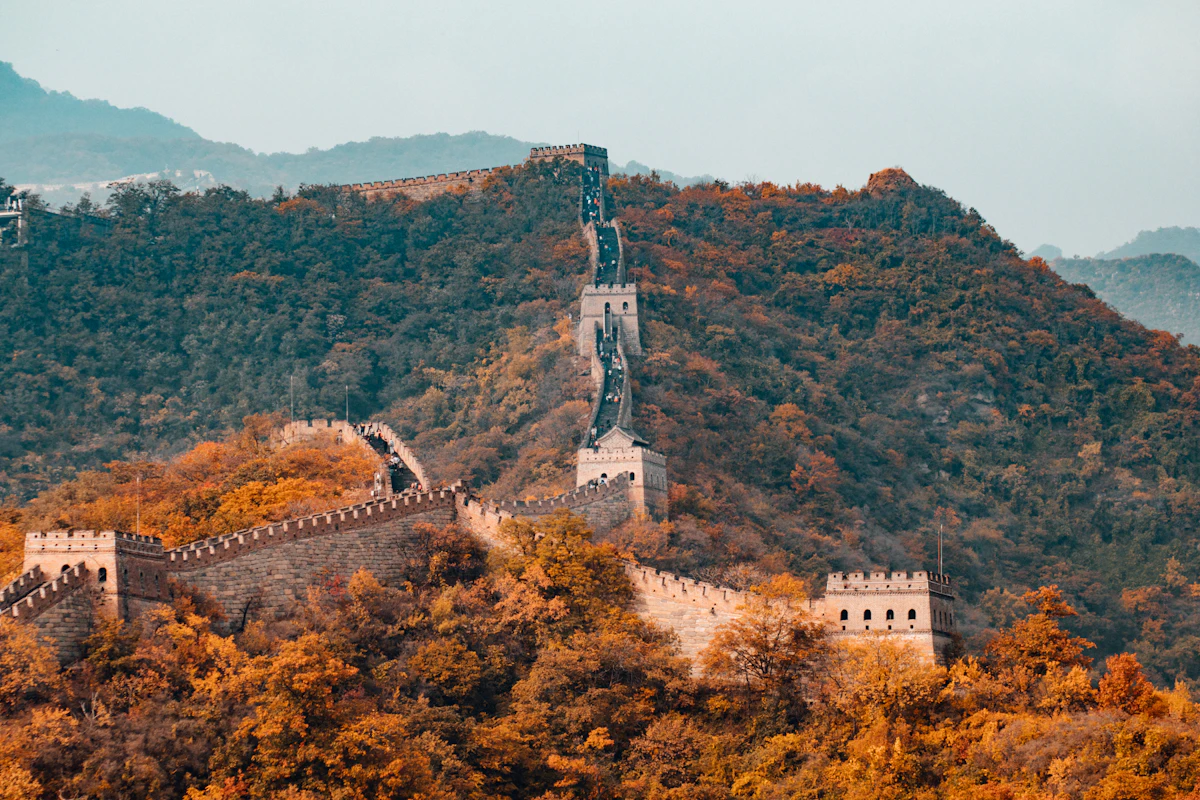
Cao Đài is shaped by Vietnamese religion and a broad effort to unite several major religious traditions.
Cao Đài Around the World
Cao Đài remains most strongly associated with Vietnam, especially Tây Ninh and southern Vietnam. However, Vietnamese migration has carried Cao Đài communities to North America, Europe, Australia, and other regions.
In diaspora settings, Cao Đài temples and communities help preserve religious devotion, Vietnamese identity, family memory, language, ritual, and community support.
Cao Đài’s global presence also makes it an important religion for studying modern religious movements, interreligious synthesis, Vietnamese history, and the relationship between religion and national identity.
Mini Quiz: Check Your Understanding
Choose the best answer below.
Which statement best describes Cao Đài?
Frequently Asked Questions About Cao Đài
What is Cao Đài?
Cao Đài is a Vietnamese syncretic religion formally established in southern Vietnam in 1926. It teaches belief in one Supreme Being and seeks to harmonize several religious traditions.
Where did Cao Đài begin?
Cao Đài began in southern Vietnam and is closely associated with Tây Ninh, where the Cao Đài Holy See became a major religious center.
What is the Divine Eye?
The Divine Eye is Cao Đài’s most recognizable symbol. It represents the Supreme Being’s presence, watchfulness, and authority.
What religions influenced Cao Đài?
Cao Đài draws from Buddhism, Taoism, Confucianism, Christianity, Vietnamese ancestor practices, and spiritist traditions.
What are common Cao Đài practices?
Common practices include prayer, temple worship, ancestor veneration, vegetarian discipline, nonviolence, moral cultivation, ceremonies, and pilgrimage.
Is Cao Đài still practiced today?
Yes. Cao Đài is practiced in Vietnam and in Vietnamese diaspora communities around the world.
Helpful External Resources on Cao Đài
These educational resources can help readers continue learning about Cao Đài history, beliefs, temples, symbols, and Vietnamese religious culture.
Britannica: Cao Dai
A concise encyclopedia overview of Cao Đài, its Vietnamese origins, syncretic identity, and major teachings.
Cao Đài Official Resource
An official Cao Đài site with information about history, teachings, worship, and community life.
Tây Ninh Holy See Travel Guide
A visitor-friendly overview of the Tây Ninh Holy See, Cao Đài architecture, symbolism, and religious center.
Britannica: Confucianism
A useful background resource for understanding one of the major traditions influencing Cao Đài moral teaching.
Continue Learning About World Religions
Test Every Faith is built to help readers explore major religions, sacred texts, truth claims, and belief systems with clarity, honesty, and respectful comparison.
Browse All Religions