
Understanding Christianity: Beliefs, History, Practices, and Global Influence
Christianity is one of the world’s largest religions and has shaped cultures, ethics, art, history, and public life across centuries. This neutral educational guide explores the origins of Christianity, its main teachings, sacred texts, worship practices, and major branches in a respectful and informative way.
What Is Christianity?
Christianity is a monotheistic religion centered on Jesus Christ and the communities that formed around his life, teachings, death, and resurrection. It emerged in the first century in the eastern Mediterranean and developed over time into a global faith with many traditions, churches, and interpretations.
For many followers, Christianity involves faith in God, engagement with the Bible, prayer, moral formation, communal worship, and participation in the life of a church. Because Christianity is diverse, beliefs and practices may differ between denominations and regions.
This page is designed to be neutral and educational. It aims to help readers better understand Christianity’s background, beliefs, and traditions without assuming prior commitment or agreement.

Christianity has taken many cultural forms across different countries and historical periods.
Quick Facts About Christianity
These quick facts provide a simple starting point for understanding Christianity in a global context.
Religion TypeMonotheistic world religion
Central FigureJesus Christ
Sacred TextThe Bible
Major BranchesCatholic, Orthodox, Protestant
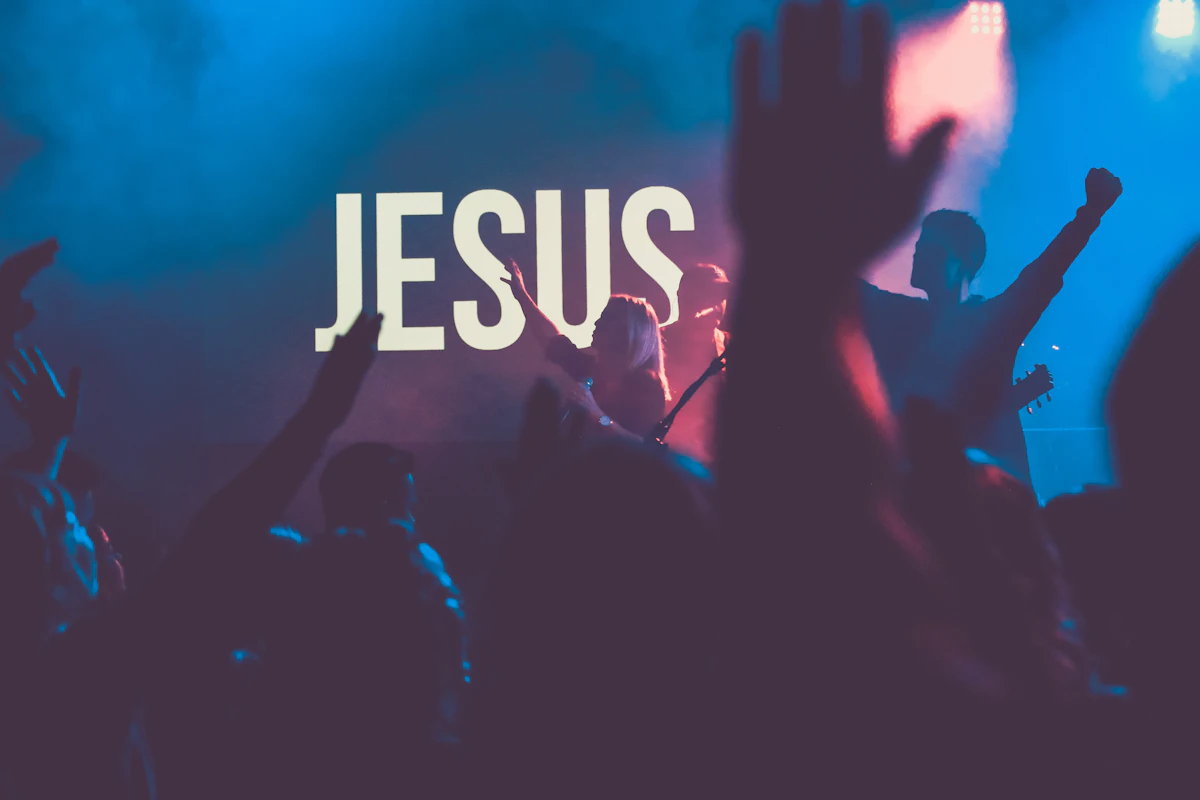
The history of Christianity spans two millennia and many cultural, political, and theological developments.
History and Origins of Christianity
Christianity began in the first century and grew out of the Jewish context of the ancient Near East. Early followers of Jesus formed communities that spread throughout the Roman Empire. Over time, Christian teachings were organized, debated, and preserved through preaching, writing, worship, and church leadership.
As Christianity expanded, it interacted with many civilizations and developed different theological traditions, liturgical forms, and institutional structures. Important historical developments include the early church councils, the spread of Christianity through Europe, the East-West Schism, the Protestant Reformation, missionary expansion, and the rise of modern global Christianity.
Core Beliefs in Christianity
Christian beliefs are not identical in every church, but several themes are widely recognized across many traditions. The following summary is intended as a broad educational overview.
Belief in One God
Christianity teaches belief in one God. Many Christian traditions describe God in Trinitarian terms, referring to the Father, Son, and Holy Spirit.
Jesus Christ
Jesus is central to Christian faith. Christians view him as uniquely significant, and many understand him as the Son of God, Savior, and Lord.
Salvation and Eternal Life
Many Christian teachings focus on reconciliation with God, forgiveness, grace, redemption, and hope for eternal life, though different traditions explain these themes in different ways.
The Bible
The Bible is Christianity’s sacred scripture and includes the Old Testament and New Testament. It is used in worship, teaching, devotion, and theological reflection.
Prayer and Worship
Prayer, public worship, singing, reading scripture, and communal gatherings are central features of Christian life in many settings.
Ethics and Community
Christians often emphasize love of God and neighbor, charity, moral responsibility, justice, mercy, and belonging within a faith community.
Christian Practices and Traditions
Christian practice can look different from one tradition to another, but many communities share recognizable patterns of worship and devotion. These can include weekly services, prayer, scripture reading, preaching, singing, fasting, charitable work, and celebrations linked to important events in the Christian calendar.
Sacraments or ordinances such as baptism and communion hold special importance in many churches. Christians may gather in cathedrals, local churches, house groups, chapels, or other community spaces. In some regions, Christianity is deeply connected to art, music, architecture, education, and social service.
Common Christian Practices
- Prayer and personal devotion
- Church attendance and communal worship
- Reading and studying the Bible
- Baptism and communion in many traditions
- Observing holidays such as Christmas and Easter
- Acts of service, charity, and community support

Christian worship may include prayer, preaching, music, scripture reading, and shared rituals.
Main Branches and Denominations of Christianity
Christianity is not a single uniform institution. It includes many branches, traditions, and denominations. While the details are complex, three broad historical categories are often used for educational purposes.
Roman Catholicism
Roman Catholicism is one of the largest Christian traditions in the world. It emphasizes church tradition, sacraments, the authority of the pope, and a global institutional structure.
Eastern Orthodoxy
Eastern Orthodox Christianity includes ancient churches known for liturgical worship, theological continuity, and strong connections to early Christian traditions and regional patriarchates.
Protestantism
Protestantism includes many denominations that emerged from the Reformation and later movements. These include Lutheran, Reformed, Anglican, Baptist, Methodist, Pentecostal, and many independent churches.
Within each of these broad categories, there is significant diversity in theology, worship style, church structure, and social engagement. Christianity is best understood as a global family of related traditions.

The Bible is the central sacred text of Christianity and is used in worship, teaching, and devotion.
The Bible and Christian Sacred Texts
The Bible is Christianity’s primary sacred text and is divided into the Old Testament and the New Testament. The Old Testament overlaps in important ways with the Hebrew scriptures, while the New Testament focuses on Jesus, the early church, letters to Christian communities, and apocalyptic writings.
Christians engage the Bible in different ways depending on tradition. It may be read devotionally, interpreted in formal liturgy, studied academically, preached publicly, or memorized in personal practice. Questions of translation, interpretation, and authority have played an important role in Christian history.
Christianity Around the World
Christianity is practiced on every inhabited continent and has taken root in a wide variety of languages, cultures, and social settings. In some countries, Christian identity is closely connected to national history. In others, Christian communities exist as minorities alongside other religious traditions.
Global Christianity today includes ancient churches, established denominations, rapidly growing evangelical and Pentecostal movements, migrant congregations, small rural communities, and urban megachurches. This global diversity means that the lived experience of Christianity can differ greatly from one place to another.
Frequently Asked Questions About Christianity
What is Christianity?
Christianity is a major world religion centered on Jesus Christ. It includes many traditions and communities that share certain beliefs, scriptures, and patterns of worship.
Who is Jesus in Christianity?
Jesus is the central figure in Christianity. Christians view him as uniquely important, and many traditions understand him as the Son of God and the promised Messiah.
What book do Christians follow?
Christians regard the Bible as their sacred scripture. It is made up of the Old Testament and the New Testament.
What are the main branches of Christianity?
The three broad branches often introduced in educational settings are Roman Catholicism, Eastern Orthodoxy, and Protestantism.
How do Christians worship?
Christian worship may involve prayer, scripture reading, preaching, singing, sacraments, and communal gathering, though styles vary across churches and cultures.
Where is Christianity practiced?
Christianity is practiced worldwide and has communities across Africa, Europe, the Americas, Asia, and Oceania.
Learn More About Christianity and World Religions
Continue exploring educational religion content through neutral articles, comparison pages, and historical overviews designed to help readers understand beliefs and traditions with greater clarity.
Browse All Religions