Understanding Islam: Beliefs, History, Practices, and Global Influence
Islam is one of the world’s major religions and has shaped law, culture, philosophy, art, and community life across many regions. This neutral educational guide explores the origins of Islam, its core teachings, sacred texts, practices, and major branches in a respectful and informative way.
What Is Islam?
Islam is a monotheistic religion centered on belief in one God, known in Arabic as Allah, and on the teachings associated with the Prophet Muhammad. It emerged in the Arabian Peninsula in the 7th century and developed into a global faith with diverse intellectual, legal, devotional, and cultural traditions.
For many Muslims, Islam involves worship, prayer, moral living, reading the Qur’an, participation in community life, and obedience to God. Because Islam is practiced across many cultures and schools of thought, beliefs and customs may vary by region, history, and tradition.
This page is designed to be neutral and educational. It aims to help readers better understand Islam’s background, beliefs, and traditions without assuming prior commitment or agreement.

Islam has developed across many cultures, resulting in a wide variety of architecture, scholarship, and communal life.
Quick Facts About Islam
These quick facts provide a simple starting point for understanding Islam in a global context.
The history of Islam includes religious, political, intellectual, and cultural developments across many centuries.
History and Origins of Islam
Islam began in the 7th century in Arabia and is closely connected with the life and teachings of the Prophet Muhammad. According to Islamic tradition, Muhammad received revelations from God, which were later compiled into the Qur’an. Early Muslim communities formed around these teachings and expanded rapidly across the Middle East and beyond.
Over time, Islamic civilization developed rich traditions of theology, law, philosophy, science, literature, and art. Islam spread into Africa, Asia, Europe, and later many other regions of the world, producing diverse local expressions while maintaining shared religious foundations.
Core Beliefs in Islam
Islamic beliefs are interpreted within different schools and traditions, but several teachings are widely recognized across Muslim communities. The following summary is intended as a broad educational overview.
Belief in One God
A central teaching of Islam is strict monotheism. Muslims believe in one God, who is creator, sustainer, and judge of all things.
Prophets and Revelation
Islam teaches that God sent prophets throughout history to guide humanity. Muhammad is understood as the final prophet in this line of revelation.
The Qur’an
The Qur’an is Islam’s central sacred text and is regarded by Muslims as the revealed word of God in Arabic.
Angels and the Unseen
Many Muslims affirm belief in angels, divine decree, and realities beyond the visible world, all of which play a role in Islamic theology.
Judgment and the Afterlife
Islam teaches that human beings are morally accountable and that there will be a final judgment, with reward and punishment in the afterlife.
Submission and Moral Living
The word Islam is often associated with submission to God. Many Muslims emphasize obedience, worship, justice, charity, humility, and ethical conduct.
Islamic Practices and Traditions
Islamic practice includes both personal devotion and communal worship. Across many Muslim communities, prayer, fasting, charity, and regular remembrance of God play a central role in daily life.
Muslims gather in mosques for worship and community life, observe religious festivals, study the Qur’an, and participate in traditions shaped by law, scholarship, and local culture. While practices vary, many are commonly described through the framework of the Five Pillars of Islam.
Common Islamic Practices
- Daily prayer
- Fasting during Ramadan
- Giving charity
- Reciting and studying the Qur’an
- Attending mosque and communal worship
- Pilgrimage to Mecca for those who are able
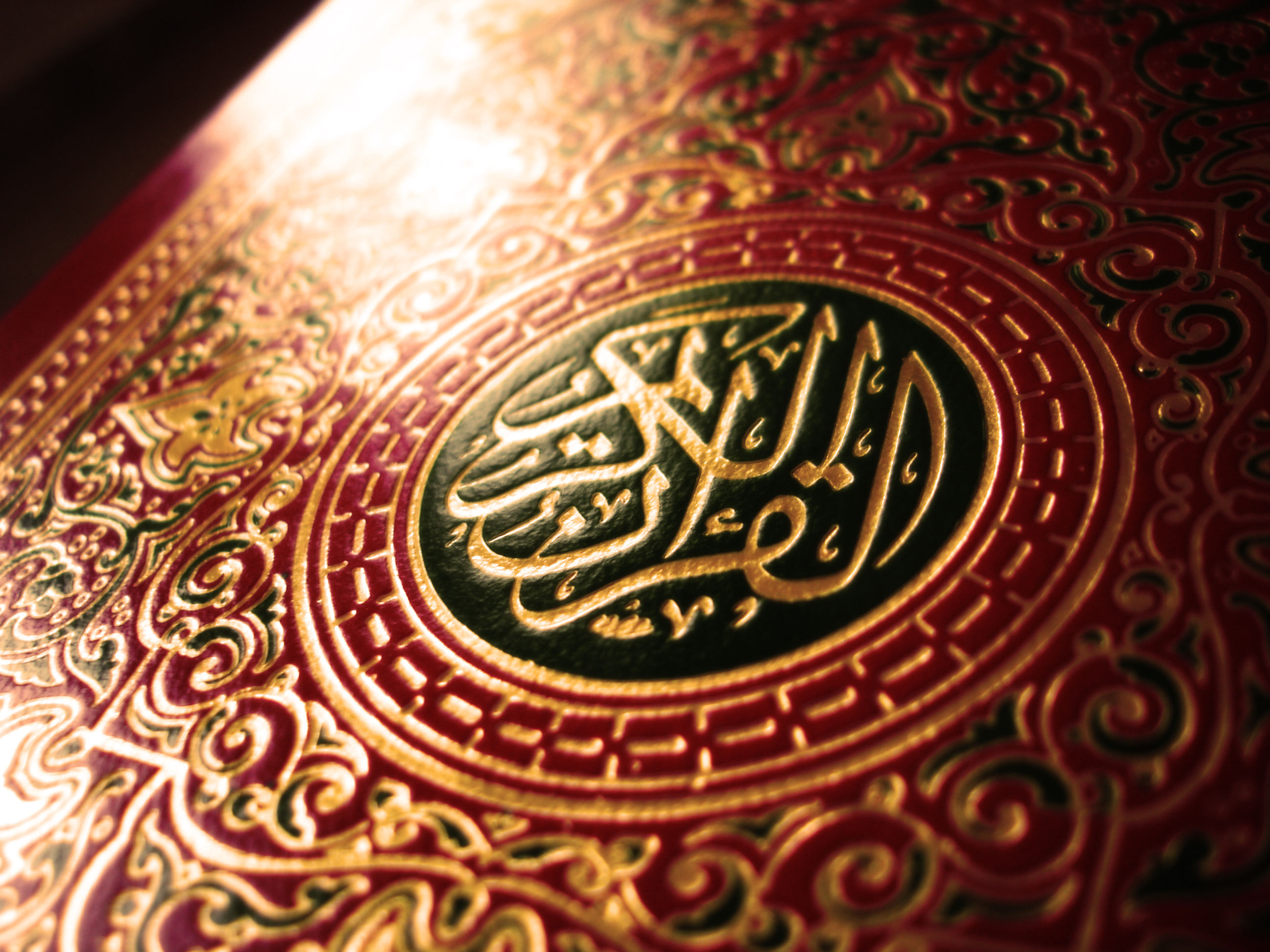
Islamic practice may include prayer, Qur’an recitation, fasting, charity, and participation in mosque life.
Main Branches and Traditions of Islam
Islam is not a single uniform institution. It includes several branches, schools, and interpretive traditions. Two broad categories are often used in introductory educational settings, though Islam is more diverse than these labels alone suggest.
Sunni Islam
Sunni Islam is the largest branch of Islam and includes a range of legal schools, theological traditions, and devotional practices.
Shia Islam
Shia Islam developed distinctive teachings related to leadership, authority, and community history, and includes several internal branches of its own.
Other Traditions
The broader Islamic world also includes additional groups, local traditions, schools of jurisprudence, and mystical movements such as forms of Sufism.
Within these broad categories, there is significant diversity in law, theology, ritual, spirituality, and cultural expression. Islam is best understood as a global family of related traditions rather than a single identical system.
The Qur’an is the central sacred text of Islam and is studied, recited, and memorized in many Muslim communities.
The Qur’an and Islamic Sacred Texts
The Qur’an is the central sacred text of Islam and is regarded by Muslims as divine revelation. It is recited in worship, memorized, studied, and interpreted through many scholarly traditions.
In addition to the Qur’an, Islamic tradition is informed by Hadith literature, which records sayings and actions associated with the Prophet Muhammad. Together with legal and theological scholarship, these sources shape belief, worship, ethics, and practice.
Islam Around the World
Islam is practiced in the Middle East, Africa, Asia, Europe, the Americas, and Oceania. Muslim communities include ancient centers of learning, local congregations, urban mosques, rural communities, immigrant populations, and global scholarly networks.
Global Islam today includes a wide range of languages, cultures, and social settings. This diversity means that the lived experience of Islam can differ greatly depending on region, legal school, local history, and community tradition.
Frequently Asked Questions About Islam
Use the search box below to quickly filter through 75 common questions about Islam.
Showing 75 of 75 questions
1. What is Islam?
Islam is a major monotheistic religion centered on belief in one God and the teachings associated with the Prophet Muhammad.
2. Who founded Islam?
Islam is historically connected with the Prophet Muhammad, whose teachings and reported revelations shaped the early Muslim community.
3. Who is Muhammad in Islam?
Muhammad is regarded in Islam as the final prophet through whom the Qur’an was revealed.
4. What do Muslims believe?
Many Muslims affirm belief in one God, prophets, revelation, angels, moral accountability, and the afterlife.
5. What do Muslims believe about God?
Muslims believe in one God, creator and sustainer of all things.
6. What is the Qur’an?
The Qur’an is the central sacred text of Islam and is regarded by Muslims as divine revelation.
7. What language is the Qur’an in?
The Qur’an is in Arabic and is also read in translation by many people around the world.
8. What is Hadith?
Hadith literature records sayings and actions associated with the Prophet Muhammad and plays an important role in Islamic tradition.
9. What are the Five Pillars of Islam?
The Five Pillars commonly refer to faith, prayer, fasting, charity, and pilgrimage.
10. What is the shahada?
The shahada is the Islamic declaration of faith.
11. What is prayer in Islam?
Prayer is a central act of worship in Islam and is commonly practiced five times a day.
12. How many times do Muslims pray each day?
Many Muslims pray five times each day.
13. Why do Muslims pray facing Mecca?
Muslims commonly pray facing the Kaaba in Mecca as a unifying direction of worship.
14. What is the Kaaba?
The Kaaba is a sacred structure in Mecca toward which Muslims pray.
15. What is wudu?
Wudu is ritual washing often performed before prayer.
16. What is Ramadan?
Ramadan is the month during which many Muslims fast from dawn to sunset.
17. Why do Muslims fast?
Fasting is practiced as an act of worship, discipline, remembrance, and obedience to God.
18. What is zakat?
Zakat is a form of charitable giving that is one of the major practices in Islam.
19. Why do Muslims give charity?
Charity is seen as an act of obedience, compassion, and responsibility toward others.
20. What role does charity play in Islam?
Charity is an important part of Islamic ethics and worship.
21. What is Hajj?
Hajj is the pilgrimage to Mecca that Muslims perform if they are able.
22. What is the importance of Mecca?
Mecca is Islam’s holiest city and the destination of the Hajj pilgrimage.
23. What is the importance of Medina?
Medina is an important city in Islamic history connected with the Prophet Muhammad and the early Muslim community.
24. What is a mosque?
A mosque is a place where Muslims gather for prayer and community life.
25. What happens in a mosque service?
Services may include prayer, recitation, sermons, and community gathering.
26. What is Jumu'ah?
Jumu'ah is the communal Friday prayer in Islam.
27. What does the word Islam mean?
The word Islam is often associated with submission to God.
28. What does Muslim mean?
A Muslim is someone who follows Islam.
29. Where did Islam begin?
Islam began in the Arabian Peninsula in the 7th century.
30. Is Islam Abrahamic?
Islam is generally understood as one of the Abrahamic religions.
31. Do Muslims believe in Jesus?
Muslims honor Jesus as a prophet, though Islamic beliefs about him differ from Christian teachings.
32. Do Muslims believe in Abraham?
Yes, Abraham is honored as an important prophet in Islam.
33. Do Muslims believe in Moses?
Yes, Moses is regarded as a prophet in Islam.
34. Do Muslims believe in angels?
Many Muslims affirm belief in angels.
35. What is Islamic worship?
Islamic worship may include prayer, recitation, fasting, charity, and remembrance of God.
36. What is Islamic theology?
Islamic theology explores beliefs about God, revelation, prophecy, the unseen, and the afterlife.
37. What is the Islamic view of the afterlife?
Islam teaches moral accountability, judgment, and an afterlife.
38. What is paradise in Islam?
Paradise is understood as reward in the afterlife for the righteous.
39. What is Judgment Day in Islam?
Judgment Day is the time when people are held accountable before God.
40. What is Sharia?
Sharia is a broad term often used for Islamic moral and legal guidance derived from religious sources.
41. What is Islamic law?
Islamic law refers to legal and ethical traditions developed from the Qur’an, Hadith, and scholarship.
42. What is fiqh?
Fiqh refers to Islamic jurisprudence or the human understanding of religious law.
43. What is Sunni Islam?
Sunni Islam is the largest branch of Islam.
44. What is Shia Islam?
Shia Islam is a major branch of Islam with distinctive teachings on leadership and history.
45. What is Sufism?
Sufism refers to mystical and devotional traditions found within the broader Islamic world.
46. Can Muslims belong to different schools of thought?
Yes, Islam includes different legal and theological schools.
47. Can Islam be practiced differently in different countries?
Yes, Islamic practice can vary by culture, region, school of thought, and community tradition.
48. Is Islam the same everywhere?
No, Islam has shared foundations but diverse cultural and historical expressions.
49. Are all Muslims Arab?
No, Muslims live all over the world and belong to many cultures and ethnic groups.
50. Is Islam only practiced in the Middle East?
No, Islam is practiced globally across Africa, Asia, Europe, the Americas, and Oceania.
51. Is Islam a global religion?
Yes, Islam is one of the world’s major global religions.
52. Where is Islam practiced?
Islam is practiced globally and has communities across Africa, Asia, Europe, the Middle East, the Americas, and Oceania.
53. What foods are halal?
Halal foods are those considered permissible under Islamic dietary guidelines.
54. What does haram mean?
Haram refers to things considered prohibited in Islamic teaching.
55. Why do some Muslim women wear hijab?
Hijab may be worn for religious, cultural, or personal reasons depending on the individual.
56. What is hijab?
Hijab often refers to modest dress and, in some contexts, a headscarf worn by Muslim women.
57. What is the difference between Islam and Muslims?
Islam is the religion; Muslims are the people who follow it.
58. What is the difference between religion and culture in Islam?
Some practices are rooted in Islamic teaching, while others reflect local customs and culture.
59. Is Islam a religion of peace?
Muslims and scholars answer this in different ways, but many Muslims emphasize peace, justice, and moral living.
60. What does the crescent symbol mean in Islam?
The crescent is culturally associated with Islam in some places, though it is not a universal religious symbol.
61. What is Islamic ethics?
Islamic ethics includes teachings on justice, honesty, humility, charity, and moral accountability.
62. What is the importance of community in Islam?
Community is central in many Muslim lives through prayer, family, festivals, and shared worship.
63. What is the role of intention in Islam?
Intention is often treated as important in worship and moral action.
64. Can anyone read the Qur’an?
Yes, many people read the Qur’an in translation or Arabic for study and understanding.
65. Is the Qur’an memorized?
Yes, many Muslims memorize all or part of the Qur’an.
66. Why is the Qur’an recited aloud?
Recitation is an important devotional and liturgical practice in Islam.
67. What is Islamic calligraphy?
Islamic calligraphy is a major artistic tradition connected especially with Arabic writing and Qur’anic text.
68. What are Islamic scholars called?
Islamic scholars may be referred to by different titles depending on training and region.
69. What is an imam?
An imam often leads prayer and may also serve as a religious teacher or community leader.
70. What is dawah?
Dawah commonly refers to inviting others to understand Islam.
71. Can Muslims celebrate holidays?
Practices vary, but the major religious festivals are Eid al-Fitr and Eid al-Adha.
72. What is Eid al-Fitr?
Eid al-Fitr is a festival marking the end of Ramadan.
73. What is Eid al-Adha?
Eid al-Adha is a major Islamic festival associated with sacrifice and pilgrimage.
74. How is Islam studied academically?
Islam may be studied through history, theology, law, language, anthropology, and comparative religion.
75. Where can I read more common questions about Islam?
You can read more at the Common Questions page linked from the hero section.
Learn More About Islam and World Religions
Continue exploring educational religion content through neutral articles, comparison pages, and historical overviews designed to help readers understand beliefs and traditions with greater clarity.
Browse All Religions